







PTSD & Trauma Therapy in Ottawa and Across Ontario

Trauma can affect the way a person experiences safety, connection, and control in the world.

After a traumatic experience, the mind and body sometimes continue responding as though the danger is still present. Even when life has moved forward, memories, emotions, or physical reactions may return unexpectedly.

Some people experience vivid flashbacks or nightmares. Others notice more subtle changes, such as emotional numbness, difficulty trusting others, constant alertness, or a sense of being disconnected from themselves.

At Catharsis Psychology and Psychotherapy, trauma therapy focuses on helping you process these experiences safely and gradually. Healing is not about forcing yourself to relive painful memories. It is about restoring a sense of stability, agency, and connection over time.

Therapy is available in person in Ottawa and virtually throughout Ontario.

Understanding PTSD and Complex Trauma

Post-Traumatic Stress Disorder (PTSD) can develop after experiencing or witnessing events that overwhelm the nervous system’s ability to cope.

These experiences may include:

  • Violence or assault
  • Domestic abuse
  • Serious accidents or medical trauma
  • Sudden loss or life-threatening events
  • War, displacement, or forced migration

Complex Post-Traumatic Stress Disorder (CPTSD) often develops after repeated or prolonged trauma, particularly in environments where a person had limited ability to escape or protect themselves.

This may include:

  • Childhood abuse or neglect
  • Long-term domestic violence
  • Chronic emotional abuse
  • Captivity, trafficking, or coercive control
  • Prolonged exposure to unsafe environments

While PTSD is often connected to a single traumatic event, CPTSD tends to involve patterns of trauma that unfold over time.

Stress and the Nervous System

When stress continues for long periods, the body can remain in a heightened state of alertness.

The nervous system becomes used to operating in survival mode, which can make it difficult to relax even when the immediate pressure has passed. Some people notice that they still feel tense or unsettled even when life appears stable on the surface.

Stress management therapy helps retrain the nervous system so that moments of rest, recovery, and emotional regulation become possible again.

How Trauma Can Show Up

Trauma affects both emotional and physical systems. The nervous system may remain on high alert long after the original event has passed.

You might notice:

  • Flashbacks or intrusive memories
  • Nightmares or disrupted sleep
  • Feeling constantly “on edge” or hyper-alert
  • Emotional numbness or detachment
  • Difficulty trusting others
  • Strong reactions to reminders of the event
  • Avoiding places, conversations, or memories connected to the trauma

Some people also experience dissociation, where they feel disconnected from their body, surroundings, or emotions.

These responses are not signs of weakness. They are the nervous system’s attempt to protect you after overwhelming experiences.

Trauma Lives in the Body as Well as the Mind

Traumatic memories are not always stored in the same way as ordinary experiences. For many people, trauma is felt physically as much as it is remembered cognitively.

Some individuals experience:

  • Sudden waves of anxiety
  • Tension or pain in the body
  • Difficulty relaxing or feeling safe
  • A sense of being disconnected from bodily sensations

Because of this, trauma therapy often involves more than talking about the event itself. Healing can include reconnecting with the body and gradually restoring a sense of internal safety.

Our Approach to Trauma Therapy

At Catharsis Psychology and Psychotherapy, trauma therapy is paced carefully and grounded in safety.

Our clinicians draw from trauma-informed approaches such as:

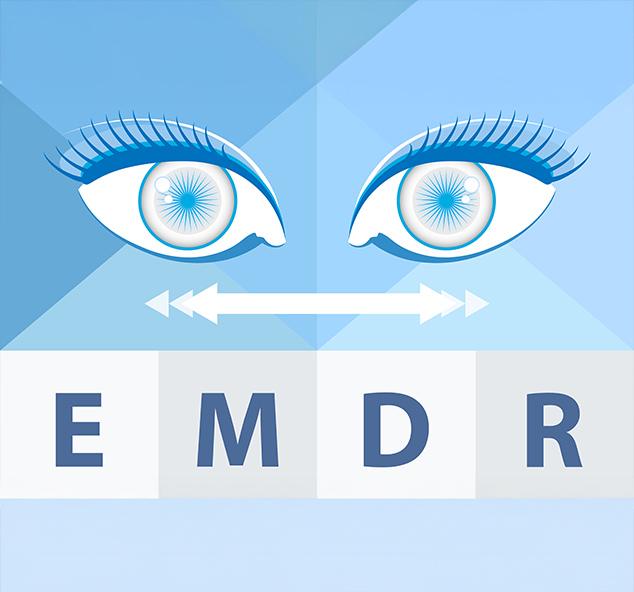
  • EMDR therapy
  • Attachment-focused therapy
  • Trauma-informed cognitive approaches
  • Somatic and body-based techniques
  • Psychodynamic exploration of past experiences

These approaches support the nervous system in processing traumatic memories while building stability in the present.

Trauma work is never rushed. The process unfolds at a pace that respects your readiness and emotional safety.

Trauma, Identity, and Context

Trauma does not occur in isolation from a person’s social environment.

For many people, traumatic experiences intersect with systemic realities such as racism, discrimination, immigration stress, or gender-based violence.

Catharsis Psychology and Psychotherapy was founded with a commitment to providing culturally responsive mental health care for communities who have historically faced barriers to accessing therapy.

Therapy recognizes that identity, culture, and lived experience shape how trauma is experienced and how healing unfolds.

What to Expect When You Begin

Beginning trauma therapy can feel intimidating. Many clients worry about being overwhelmed by memories or emotions.

Early sessions focus on creating stability and safety rather than immediately revisiting traumatic events. Together, you and your therapist develop tools that help regulate emotions, manage triggers, and strengthen your sense of control.

Over time, therapy may gently explore traumatic experiences in ways that allow your nervous system to process them differently.

Healing is rarely linear, but meaningful change is possible.

Complimentary Consultation

If you are considering therapy for trauma, PTSD, or complex trauma, a complimentary consultation can be a supportive place to begin.

This conversation allows you to:

  • Share what has been feeling overwhelming or unsustainable
  • Learn how we approach stress management in therapy
  • Ask questions about the process
  • Explore whether working with one of our therapists feels like the right fit

There is no pressure to continue. The consultation simply helps you decide what feels supportive for your next step.

Ready to Book Your Appointment?

If you are looking for psychotherapy services in Ottawa or virtual therapy across Ontario, Catharsis Psychology and Psychotherapy is here to help. Call (613) 316-6099 or request your appointment online. We look forward to supporting you.