Childhood Trauma Therapy in Ottawa and Across Ontario

Childhood experiences shape how we see ourselves, others, and the world.

When those experiences involved neglect, abuse, instability, emotional invalidation, or chronic stress, the impact does not simply disappear with time. Many adults carry childhood trauma quietly. On the outside, they may appear capable and successful. Internally, they may struggle with anxiety, hypervigilance, relationship patterns, emotional overwhelm, or a persistent sense of not being enough.

You may not always think of your experiences as “trauma.” You may simply know that something still feels unresolved.

At Catharsis Psychology and Psychotherapy, childhood trauma therapy focuses on helping you understand how early experiences continue to influence your present, while supporting you in building steadier, more self-trusting ways of moving forward.

Therapy is available in person in Ottawa and virtually throughout Ontario.

Understanding Childhood Trauma Beyond the Event

Childhood trauma is not defined only by major or life-threatening events. It can also include experiences that were chronic, subtle, or relational.

Childhood trauma may involve:

  • Emotional neglect
  • Physical, emotional, or sexual abuse
  • Domestic violence in the home
  • Parental mental health challenges
  • Addiction in the family
  • Chronic criticism or instability
  • Bullying or social isolation
  • Immigration-related stress
  • Loss or abandonment

What makes an experience traumatic is not only what happened, but how it was processed at the time and whether adequate support was available.

Children adapt to survive. Those adaptations often continue into adulthood, even when they are no longer helpful.

How Childhood Trauma Shows Up in Adulthood

Many people seek therapy years after the original events occurred. Trauma may show up in ways that feel disconnected from childhood at first.

Common patterns include:

  • Difficulty trusting others
  • Fear of conflict or abandonment
  • Emotional numbness or overwhelm
  • People-pleasing or perfectionism
  • Chronic anxiety or hypervigilance
  • Strong reactions that feel disproportionate
  • Shame or self-criticism
  • Trouble setting boundaries

These responses are not character flaws. They are protective strategies that once served a purpose.

Therapy helps you understand these patterns with compassion rather than judgment.

Support That Moves at Your Pace

Childhood trauma therapy is not about forcing you to relive painful memories before you are ready. It is about building stability, safety within yourself, and emotional regulation before processing deeper experiences.

At Catharsis Psychology and Psychotherapy, trauma therapy is collaborative and paced carefully.

Together, therapy may involve:

  • Understanding how early experiences shaped current beliefs
  • Learning nervous system regulation skills
  • Strengthening boundaries and self-trust
  • Exploring attachment patterns
  • Processing traumatic memories when appropriate
  • Reducing shame and self-blame
  • Developing new relational patterns

Healing is not linear. Therapy respects that.

Trauma, Identity, and Cultural Context

Childhood trauma does not exist outside of social and cultural context.

Experiences of racism, migration stress, intergenerational trauma, family expectations, religious pressures, and systemic barriers can shape both childhood experiences and how trauma is expressed later in life.

At Catharsis Psychology and Psychotherapy, trauma therapy is grounded in cultural awareness and recognition of intergenerational and systemic influences. Our clinicians are particularly committed to supporting:

  • Black, Indigenous, and People of Colour (BIPOC) individuals
  • Immigrant and refugee communities
  • LGBTQ+ individuals
  • Women and gender-diverse clients

Therapy acknowledges both personal history and broader context.

Therapeutic Approaches We May Use

Our clinicians draw from evidence-based and relational trauma-informed approaches, including:

  • EMDR Therapy
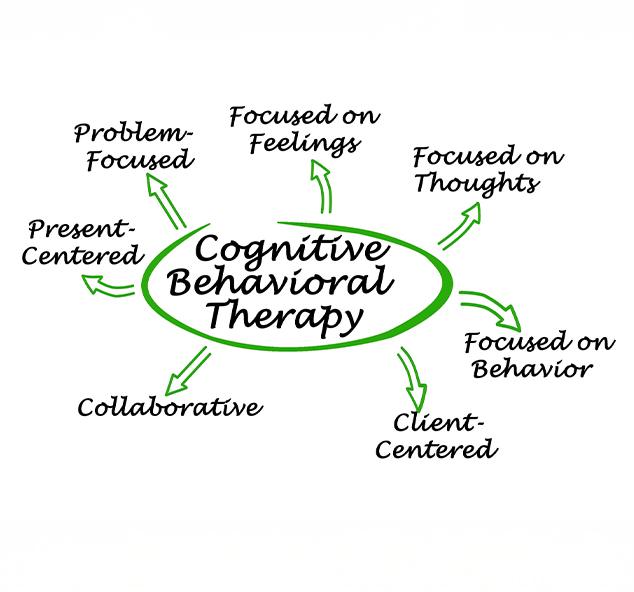
  • Trauma-Focused Cognitive Behavioural Therapy
  • Cognitive Processing Therapy
  • Psychodynamic Therapy
  • Attachment-Focused Therapy
  • Somatic and nervous system-informed approaches

The specific approach depends on your needs, readiness, and goals. Therapy is never one-size-fits-all.

What to Expect When You Begin

Beginning childhood trauma therapy can feel vulnerable. Many clients worry about whether they are “overreacting” to past events or whether they should have moved on by now.

There is no timeline for healing.

Early sessions focus on understanding your current challenges and building emotional regulation skills. Processing deeper experiences happens gradually and collaboratively.

You remain in control of the pace and depth of the work.

Complimentary Consultation

If you are considering childhood trauma therapy but feel uncertain about where to start, a complimentary consultation offers space to connect with one of our clinicians.

During this conversation, you can:

  • Ask questions about trauma therapy
  • Discuss what feels unresolved or heavy
  • Learn how we approach childhood trauma work
  • Explore whether working together feels like the right fit

There is no pressure to share more than you are comfortable with. The consultation is simply a starting point.

Ready to Book Your Appointment?

If you are looking for psychotherapy services in Ottawa or virtual therapy across Ontario, Catharsis Psychology and Psychotherapy is here to help. Call (613) 316-6099 or request your appointment online. We look forward to supporting you.